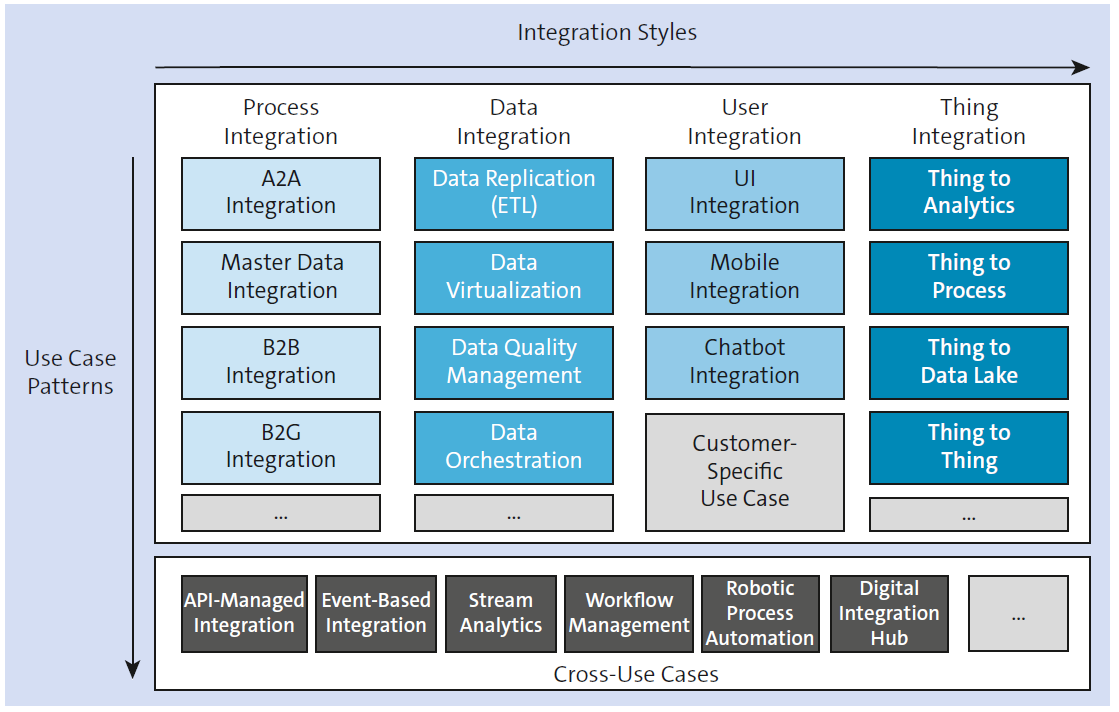
Knowing what the available SAP integration patterns are is one thing. Knowing which one is right for a specific scenario is another. Most integration architecture problems don't come from ignorance of the options, but from applying a familiar or convenient option to a situation it wasn't designed for. This post provides a structured framework for making that decision deliberately. It covers five questions that, when worked through in order, eliminate most of the wrong options before a tool comparison or configuration decision is ever reached. It also includes a pattern comparison table for quick reference and an overview of SAP's Integration Solution Advisory Methodology (ISA-M) for organizations working at the landscape level rather than the individual scenario level. This is the third post in a series on SAP integration patterns. The first covers what integration patterns are and why the choice carries downstream consequences. The second catalogs the range of patterns available in SAP landscapes today. If you are already familiar with the pattern options and are ready to evaluate them against a specific scenario, this is where to start. No integration decision exists in isolation. The patterns covered earlier each have legitimate use cases, and most of them have scenarios where they are clearly the wrong choice. What makes the difference is not familiarity with the options but a structured way of evaluating them against the specific scenario at hand. The following framework does not replace architectural judgment but rather organizes it. Work through these five questions in order before evaluating any specific pattern or tool. Pattern Best For Primary SAP Tool Avoid When Point-to-Point Minimal landscapes, one-off connections Direct RFC or BAPI Landscape will grow IDoc / SOAP On-premise transactional messaging SAP Process Orchestration or Cloud Integration Public cloud target systems OData / REST API Cloud integration, real-time, developer-facing SAP Integration Suite or API Management High-volume bulk data CDS-based Extraction Analytics, replication, data pipelines SAP Data Intelligence, ODP, or CDI Transactional triggers required Event-Driven Loosely coupled, async, notifications SAP Event Mesh Strict transactional guarantees needed The Integration Solution Advisory Methodology (ISA-M) is SAP's framework for helping enterprise and integration architects define and implement integration strategies. Where the five questions in the previous section help evaluate an individual integration scenario, ISA-M operates at the landscape level—providing a structured way to map the full range of integration requirements across an organization to the appropriate technologies. The practical core of ISA-M for pattern selection is its technology mapping approach. It classifies integration requirements across three dimensions: integration domains (on-premise-to-on-premise, on-premise-to-cloud, cloud-to-cloud, B2B, user-facing, and IoT), integration styles (process integration, data integration, and others), and use cases within those styles. Working through these dimensions systematically produces a technology mapping that aligns each domain with both a current-state technology and a target-state recommendation. For most integration domains, Cloud Integration is the forward-looking recommendation, with SAP Process Orchestration reserved for existing implementations being maintained or adapted rather than net-new development. ISA-M also provides architecture blueprints; these are reference architectures introduced in version 3.3 that translate the technology mapping into concrete implementation guidance. These are particularly useful for organizations building or refreshing an integration strategy, since they provide a starting point that can be extended with landscape-specific selection recommendations rather than requiring teams to derive architecture from first principles. One practical note: ISA-M's full technology mapping can be more complex than day-to-day integration work requires. For individual pattern decisions, the five-question framework earlier is the right tool. ISA-M is most valuable when the question is not "which pattern fits this scenario" but "how do we govern integration decisions consistently across the entire landscape." Choosing an SAP integration pattern is not primarily a technical decision. It is an architectural one, and like all architectural decisions, its consequences are felt long after the initial choice is made. The patterns themselves are not complicated. What is complicated is the discipline of applying them correctly: starting with the business requirement rather than the familiar tool, distinguishing process integration from data integration before anything else, and treating the deployment model as a constraint rather than an afterthought. The framework discussed in this series will not make the decision for you. What it will do is ensure the decision is made deliberately, with the right variables on the table, before implementation begins. That is where most integration architecture goes wrong: not in the execution, but in the assumptions that were never examined because the team moved to tools before they had finished thinking about the problem. The fourth post in this series covers deployment model constraints in detail. How public cloud, private cloud, on-premise, and hybrid environments each shape which patterns are available and what mistakes to avoid in each context. This post was originally published 5/2026.A Decision Framework for Pattern Selection
5 Questions to Ask Before Choosing a Pattern
The Role of ISA-M
Conclusion
How to Choose an SAP Integration Pattern: A Decision Framework
 3 weeks ago
36
3 weeks ago
36
Related


When to Use Behavioral Patterns in ABAP Programming
2 days ago
8

The Autonomous CX Revolution Elevated by Google
3 days ago
13

Popular
![[헬스캡슐]은행잎 추출물, ‘베타아밀로이드 응집 억제’ 효과 확인 外](https://dimg.donga.com/wps/NEWS/IMAGE/2026/05/26/133978263.3.jpg)
[헬스캡슐]은행잎 추출물, ‘베타아밀로이드 응집 억제’ 효과 확인 外
3 weeks ago
120

React Doctor — AI가 생성한 React 코드를 정적 분석으로 검증하는 진단 도구
3 weeks ago
109

현대엔지니어링, 굿윌스토어와 10년 동행… 발달장애인 자립 지원 확대
3 weeks ago
105
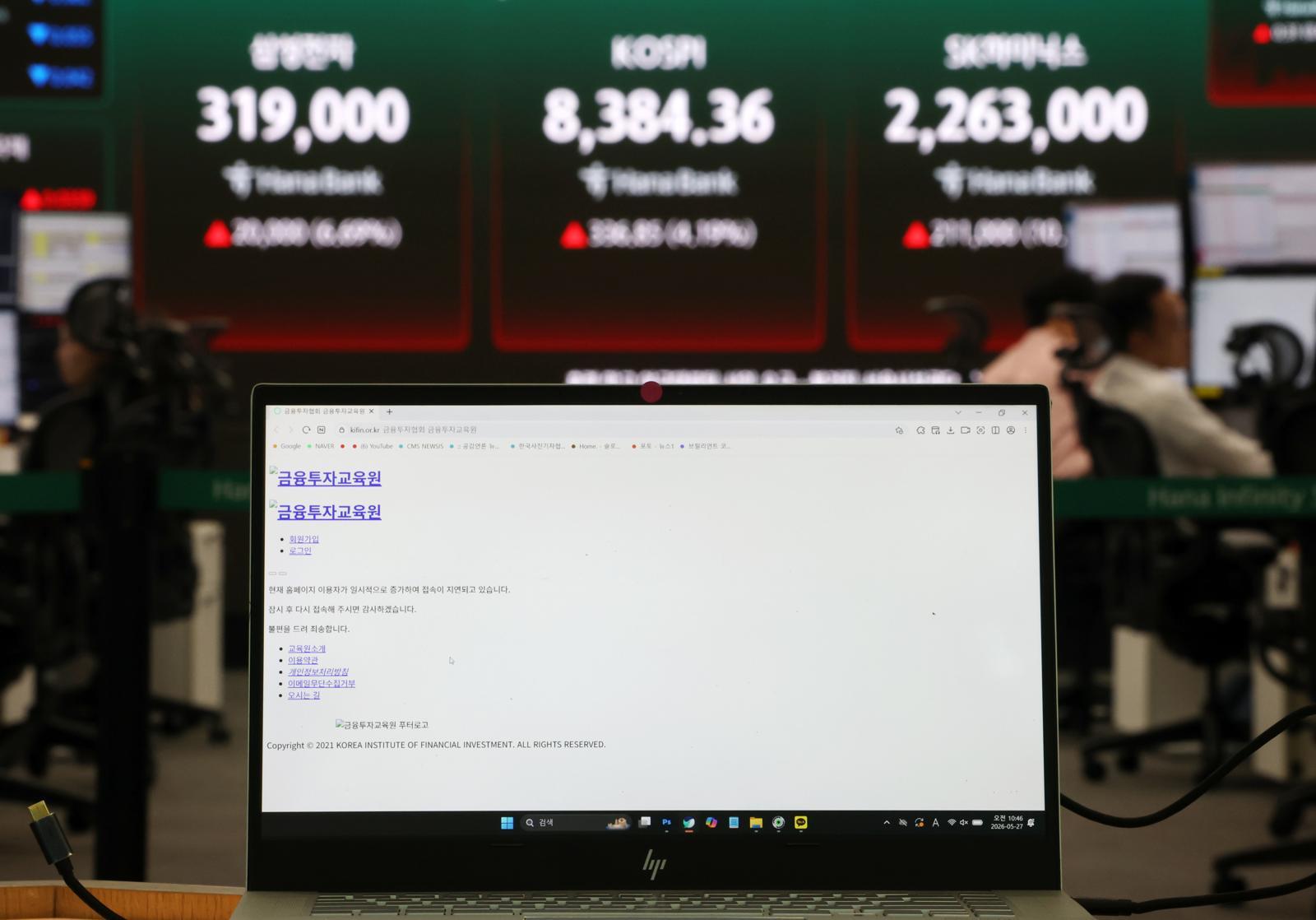
‘삼전닉스 2배 ETF’ 상장 첫날 불기둥…교육사이트 마비되기도
3 weeks ago
103

'마이클 잭슨을 넘어섰다'...드레이크 14번째 빌보드 1위, 솔로 남성 최다 신기록
3 weeks ago
100
!['꽃청춘' 3인방, 무계획 제주의 높은 벽..결국 티켓 구하기 실패[별별TV]](https://image.starnewskorea.com/21/2026/05/2026052421091553722_1.jpg)
'꽃청춘' 3인방, 무계획 제주의 높은 벽..결국 티켓 구하기 실패[별별TV]
4 weeks ago
100

정청래, 박근혜 유세지원에…“탄핵당하고도 부끄러움 모르고 돌아다녀”
3 weeks ago
99
![[오피셜] ‘불꽃슈터’ 전성현, KT서 ‘퍼펙트 10’ 파트너 문성곤과 재회…서민수도 3년 계약](https://pimg.mk.co.kr/news/cms/202605/28/news-p.v1.20260528.c55346b19e8f45bfb362482843760fb3_R.png)
[오피셜] ‘불꽃슈터’ 전성현, KT서 ‘퍼펙트 10’ 파트너 문성곤과 재회…서민수도 3년 계약
3 weeks ago
94

검찰, '서소문 고가 붕괴 사고' 전담팀 편성…검사 4명 투입
3 weeks ago
94
The Website Specification
2 weeks ago
88
 English (US) ·
 © Clint's Theme Park 2026. All rights are reserved
